
About MyHub Intranet
We’re a leading cloud-based intranet software provider serving clients all over the world. Learn more about us.
The MyHub Intranet Story
MyHub is a leading cloud-based intranet software provider serving clients all over the world. Developed out of a need to allow clients to remotely access a document library, MyHub started life as Keep In Touch (KIT) in 2001. KIT quickly established a loyal client base and grew to serve as a hosted content management system.
Over the years clients’ needs changed, as did technology, this allowed KIT to evolve into a cloud-based intranet solution. In early 2014 KIT was acquired and rebranded MyHub.
In addition to the re-branding, the KIT solution was migrated to a new platform that has been developed to deliver a powerful set of modules and tools that make it easy for anyone to customize and manage their own intranet site.
We’re driven by the desire to be the best intranet provider in the world and are dedicated to providing market leading innovation, solutions and service. With a foundation in providing hosted intranet solutions dating back over a decade, we follow a guiding principle that every business needs to share and connect.
Core Values
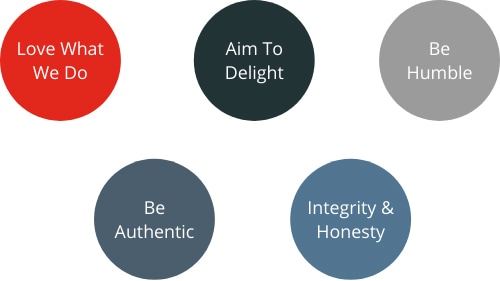
Our Core Values are the DNA of our business – they are the standards that guide our thinking, determine our behavior, and allow us to adapt to our clients’ needs.
- Love what we do
- Aim to delight
- Be humble – be fully present
- Authenticity – be yourself
- Integrity and honesty – build trust
Our Locations

We’re a New Zealand headquartered business with teams based in Europe, North America and the Asia Pacific regions.
We believe in work-life balance so we operate a 100% remote working policy so that gives people the freedom to live, work and serve our clients from anywhere in the world.
What’s Next?
Explore our great intranet resources, or book a free 14 day trial or demo to try MyHub Intranet for yourself.
Support Resources
Visit the resources section:
Getting Started
Help Guides
Videos
Top Tips
Knowledge Base
Free Demonstration
Book your session:
Screensharing
Requirements Review
Features Walkthrough
Helpful Shortcuts
See Example Sites
14 Day Free Trial
Start your free trial:
Free Site Setup Support
Unlimited Functionality
Up to 10 Users
15 GB Data Storage
No Credit Card Required
Hosted Intranet Articles

7 Jotform Alternatives To Consider
Jotform has long been a go‑to online form builder for many businesses, offering a drag-and-drop interface, conditional logic, e-signatures, and thousands of templates. However, common complaints include slow loading times, an outdated editor, and overwhelming template choices—pushing many organizations to explore alternatives.
To help decision-makers, MyHub lists seven compelling Jotform alternatives: forms.app, Zoho Forms, Google Forms, Microsoft Forms, ProProfs Survey Maker, SurveyMonkey, and its own intranet-powered form builder. Each option varies in ease-of-use, feature set, pricing, analytics, and integrations, making it easier to align tool choice with organizational needs and budgets.
MyHub’s form builder stands out by combining intuitive drag-and-drop form design with workflow automation—notifications, approval routing, conditional fields, and role-based permissions—all included at no extra cost within its intranet platform. With built-in integrations to Microsoft 365 and Google Workspace, mobile accessibility, and support tools, it offers a more holistic form solution suited for internal processes.

Work From Home Policy – With PDF Sample Template
The widespread shift to home-based work during the pandemic has led organizations to recognize remote and hybrid work as permanent fixtures in modern working life. A formal work-from-home policy is now a necessity—not a luxury—enabling clarity between employer and employee on expectations, rights, and performance standards.
This article outlines the six critical steps in crafting an effective policy: define clear objectives and scope (such as fully remote vs hybrid use), establish eligibility criteria, set communication and work-hour expectations, and specify technical support, equipment provisions, and expense arrangements. It also includes vital sections on cybersecurity protocols, approvals process, and social support to address remote isolation.
By implementing a structured WFH policy, companies can safeguard sensitive data, boost productivity, reduce overhead, and improve employee well-being. Remote workers benefit from greater clarity on equipment allowances, tech support, and workspace setup guidance, while employers protect their interests and strengthen recruitment and retention in an increasingly flexible work landscape.

Extranet vs. Intranet vs. Internet: The Ultimate Explanation
The Internet is an open, global network accessible to anyone, offering unlimited reach but minimal control—making it insecure for sensitive business operations. By contrast, an intranet is a private, internal network owned and managed by a company. Protected with firewalls and login credentials, it offers employees a secure place to communicate, collaborate, and share documents.
An extranet builds on the intranet by granting controlled access to external stakeholders—such as suppliers, partners, or franchisees—enabling collaboration without exposing the entire internal network. It balances openness with privacy, allowing secure sharing of relevant information beyond company walls.
While all three network types use standard web technologies (e.g. HTTP, IP protocols), their main distinctions lie in ownership, user access, and security. The Internet is unregulated and public, the intranet is internal and regulated, and the extranet is a selectively shared private network—each chosen based on organizational collaboration needs and security requirements.

How To Guides – Ideas, Examples, Step by Step
How-to guides are everywhere—and for good reason. They’re simple, step-by-step instructions that help people learn a task or process—whether it’s creating a company onboarding plan or cooking dinner. The best guides are clear, focused, and tailored to their audience, offering actionable steps that actually get results.
These guides serve many purposes: they offer self-service support for customers and employees, boost satisfaction, and reduce repetitive inquiries. Internally, they help onboard new staff, preserve institutional knowledge, and minimize mistakes—especially on common tasks or workflows.
To craft a great how-to guide, start by understanding your audience and researching the task. Then break the process into clear steps using simple, jargon-free language and logical order. Enhance clarity with visuals like images or examples. Finally, wrap up with resource links and a FAQ section for further support.

How To Motivate Employees: 12 Effective Ways
Employee motivation isn’t just about compensation—it’s about engaging the heart and mind. MyHub’s guide lays out four core drivers—recognition, responsibility, advancement, and rewards—which, when embedded in simple workplace strategies, lead to measurable boosts in morale and performance. Notably, 67% of employees cite praise from managers as more motivating than a pay raise.
One practical strategy is recognition. Public acknowledgment—via shout-outs, peer-nominated awards, or spot bonuses—costs little but delivers high impact. Highlighting achievements on the company intranet, newsletters, or team meetings reinforces a culture of gratitude and helps employees feel valued.
Another key approach is empowering employees with responsibility and autonomy. When staff have control over their tasks and decision-making, they become more engaged and committed. Coupled with visible opportunities for professional growth—through training, mentoring or advancement—it helps them see a future with the organisation. A modern intranet can support this by hosting learning modules, skill quizzes, and forums to share expertise.

10 Employee Motivation Strategies That Actually Work
Effective employee motivation extends far beyond pay raises—it’s about purpose, recognition, autonomy, and growth. MyHub’s article highlights that truly motivated teams thrive when they feel valued and empowered, and not just compensated. Strategic motivation taps into company culture and communication to keep employees consistently engaged and productive.
The blog presents 10 practical strategies that consistently motivate employees. These include enhancing one-on-one feedback, setting purpose-driven goals, deploying pulse surveys, launching peer recognition programs, offering remote positive shout-outs, and enabling autonomy through self-service tools on the intranet.
These tactics are designed to be low-cost, scalable, and easy to implement—ideal for managers and HR professionals focused on real change without budget strain. Crucially, these strategies create lasting engagement by reinforcing value, identity, and clear direction. They transform environments where motivation is elective into cultures where it becomes foundational—driving resilience, retention, and performance.
Ready To Get Started?