
Intranet Design Services
Choose from the self-build option with our support or work with one of our designers who will create a customized, fully-functioning intranet for your business, in 40 days or less, guaranteed!
The Challenge: Lack Of Time
You’ve defined your requirements and you know MyHub can deliver the outcomes you’re looking for. But do you lack the time and resources to customize your MyHub intranet site and get it launched on time?
The Solution: We Do It For You
By engaging with one of our designers, we’ll remove all of the complexity and risk by doing it all for you.
Planning For Success
Your MyHub intranet designer will lead the engagement process and ensure you’re updated on progress. The process is broken down into three key stages including:

Scope & Commercials
- Gathering requirements
- Defining launch objectives and timelines
- Developing a site plan including key pages, modules and content
- Agreeing the scope of works, pricing and terms.

Site Design
- Adding a company logo and changing site color options
- Designing and adding pages
- Adding content to pages including images, news articles, text, video and forms
- Adding folders and files to the Document Exchange
- Adding users to the site, Role Groups and Roles

Launch
- Handover and training
- Post-launch support
- Free site audit at any time
MyHub Designers, Delivering Great Outcomes

Intranet Design Articles

6 Tips On How To Write A Self-Evaluation
Writing a self-evaluation can be a daunting task for many employees. The blog post from MyHub Intranet offers a structured approach to crafting a compelling self-assessment. It emphasizes the importance of starting early, reflecting on accomplishments, and aligning personal goals with organizational objectives.
The article outlines six practical tips to guide employees through the self-evaluation process. These include giving oneself ample time to prepare, being honest about strengths and areas for improvement, and using specific examples to illustrate points. Additionally, the blog provides example phrases to help articulate achievements and challenges effectively.
By following these guidelines, employees can create self-evaluations that not only highlight their contributions but also demonstrate self-awareness and a commitment to growth. This proactive approach can lead to more productive performance reviews and career development discussions.

My Boss Doesn’t Communicate With Me – 10 Smart Ways to Fix It
Effective communication between managers and employees is crucial for organizational success. When a boss fails to communicate adequately, it can lead to confusion, decreased morale, and reduced productivity. The blog post delves into the significant impact of poor managerial communication, highlighting statistics that underscore its detrimental effects on project completion, employee morale, and overall performance.
The article identifies common reasons behind a manager’s lack of communication, such as being new to the role, introversion, being overwhelmed with responsibilities, or simply lacking effective communication skills. Understanding these underlying causes is the first step toward addressing the issue constructively.
To bridge the communication gap, the blog offers ten actionable strategies for employees. These include initiating regular check-ins, seeking clarity through open-ended questions, and providing feedback in a non-confrontational manner. By proactively implementing these approaches, employees can foster better communication with their managers, leading to improved collaboration and a more cohesive work environment.

Interview Template: The Smart Way To Recruit
Conducting interviews without a structured approach can lead to inconsistent evaluations and hiring decisions. The blog post emphasizes the importance of using interview templates to bring uniformity and fairness to the recruitment process. By standardizing interviews, organizations can better compare candidates and make informed hiring choices.
The article provides a step-by-step guide on developing an effective interview template. It starts with clearly defining the role, including job title, department, and key responsibilities. Identifying Key Performance Indicators (KPIs) helps in setting expectations for the role. The template should also include sections to evaluate qualifications, skills, and personality traits relevant to the position.
Implementing a well-crafted interview template not only streamlines the hiring process but also enhances the candidate experience. It ensures that all applicants are assessed on the same criteria, reducing biases and improving the quality of hires. The blog concludes by offering a downloadable interview template that organizations can customize to fit their specific needs.

Intranet Search Engine: How To Find The Right Information Faster
In today’s fast-paced work environment, quick and efficient access to information is crucial. The blog post from MyHub Intranet emphasizes the importance of a powerful intranet search engine in streamlining information retrieval within organizations. Without an effective search function, employees may waste valuable time sifting through irrelevant data, leading to decreased productivity and frustration.
The article delves into understanding employee search intent, highlighting various search behaviors such as specific searches, non-specific searches, author-based searches, and self-generated content searches. Recognizing these patterns allows organizations to tailor their intranet search functionalities to better meet user needs. Additionally, gathering insights through behavior analytics, employee interviews, and surveys can further refine the search experience.
To optimize the intranet search engine, the blog recommends several strategies, including proper content tagging, maintaining consistent naming conventions, and regularly updating metadata. Implementing these best practices ensures that employees can swiftly locate the information they need, thereby enhancing overall organizational efficiency and satisfaction.
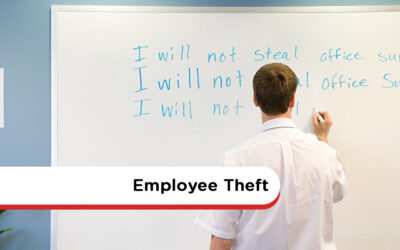
Employee Theft: Six Ways To Safeguard Your Business
Employee theft is a significant concern for businesses, leading to substantial financial losses and operational disruptions. The blog post from MyHub Intranet delves into the various forms of employee theft, such as theft of supplies, data breaches, unauthorized use of services, and payroll fraud. Understanding these common types is the first step toward prevention.
The article emphasizes the importance of recognizing warning signs, including discrepancies in financial records, missing inventory, and unusual employee behavior. By being vigilant and attentive to these indicators, businesses can identify potential issues early and take corrective action.
To proactively safeguard against employee theft, the blog recommends implementing clear policies, conducting regular audits, utilizing access control systems, and fostering a culture of transparency and accountability. By adopting these strategies, organizations can create a secure work environment that deters dishonest behavior and promotes integrity.
Sparklight Business

50 Intranet Benefits You Need To Know About
In today’s digital workplace, effective communication and streamlined processes are paramount. The blog post from MyHub Intranet outlines 50 significant benefits of implementing an intranet, emphasizing its role in enhancing internal communication, fostering collaboration, and improving overall productivity.
Key advantages include stronger internal communication through centralized newsfeeds and multimedia capabilities, facilitating two-way communication via blogs and surveys, and personalized content delivery to keep employees engaged. Additionally, intranets serve as a single source of truth, aiding in quick information retrieval and efficient knowledge management.
By breaking down departmental silos and promoting teamwork through dedicated forums and project spaces, intranets not only streamline operations but also cultivate a cohesive organizational culture. Implementing an intranet like MyHub can lead to measurable improvements in employee engagement and operational efficiency.