
Intranet Design Services
Choose from the self-build option with our support or work with one of our designers who will create a customized, fully-functioning intranet for your business, in 40 days or less, guaranteed!
The Challenge: Lack Of Time
You’ve defined your requirements and you know MyHub can deliver the outcomes you’re looking for. But do you lack the time and resources to customize your MyHub intranet site and get it launched on time?
The Solution: We Do It For You
By engaging with one of our designers, we’ll remove all of the complexity and risk by doing it all for you.
Planning For Success
Your MyHub intranet designer will lead the engagement process and ensure you’re updated on progress. The process is broken down into three key stages including:

Scope & Commercials
- Gathering requirements
- Defining launch objectives and timelines
- Developing a site plan including key pages, modules and content
- Agreeing the scope of works, pricing and terms.

Site Design
- Adding a company logo and changing site color options
- Designing and adding pages
- Adding content to pages including images, news articles, text, video and forms
- Adding folders and files to the Document Exchange
- Adding users to the site, Role Groups and Roles

Launch
- Handover and training
- Post-launch support
- Free site audit at any time
MyHub Designers, Delivering Great Outcomes

Intranet Design Articles
The Top 11 Intranet Trends For 2025
In 2025, intranets are shifting focus toward delivering a stronger digital employee experience. Platforms are evolving with streamlined visual layouts, intuitive navigation, news feeds, video integration, and dashboards personalized for each role. These enhancements help employees stay engaged, recognized, and productive throughout their journey—not just at onboarding or exit points
Another major trend is multi-channel integration. Intranets now unify tools across HR, payroll, CRM (like Salesforce), and productivity suites (Microsoft 365, Google Workspace) through APIs and single sign-on. This creates an efficient, consolidated workspace and reduces app-switching—especially when paired with mobile connectivity.
The rise of a mobile digital workplace also stands out—modern intranets are optimized for both responsive mobile browsers and dedicated apps, making it easy for employees to interact, collaborate, and stay connected on the go. Additionally, personalization ensures users see role-specific content and tools, increasing relevance and engagement. Finally, there’s a growing push toward inclusive knowledge sharing, where intuitive content creation tools, employee profiles, and newsfeeds help surface vital insights organization-wide.
6 HR Workflow Automation Best Practices for a More Productive Team
Human resources (HR) teams are at the core of every organization. They’re responsible for everything from recruitment and employee onboarding to payroll processing and compliance management. However, many of these processes are...

Signs of Bullying at Work – Workplace Bullying Examples
Workplace bullying can often be subtle but deeply harmful. This article outlines seven key indicators—verbal abuse, persistent criticism, social or professional isolation, excessive monitoring, sabotage, physical intimidation, and cyberbullying—that signal an unhealthy work dynamic. Recognizing these patterns is essential for individuals to understand when casual conflict escalates into sustained mistreatment.
Early warning signs—like name-calling, snide remarks, or being excluded from meetings—can escalate if unchecked. Persistent criticism or micromanagement is more than feedback; it’s about control and diminishing someone’s confidence. Sabotage—whether withholding key information or setting unrealistic expectations—can undermine performance and create failure traps.
Bullying isn’t limited to offline behavior. Physical threats or aggressive gestures, though rarer, pose serious safety concerns. Cyberbullying—harassment via email, messaging apps, or social platforms—is increasingly prevalent and damaging. The article emphasizes that intermittent episodes don’t constitute bullying; it’s the persistent, ongoing pattern that causes real harm.
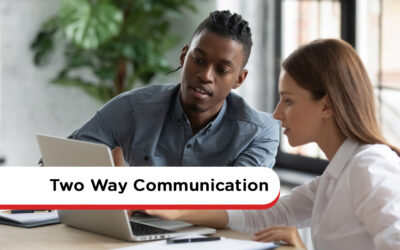
Two Way Communication Explained
In today’s dynamic work environment, effective communication is paramount. The blog post from MyHub Intranet delves into the concept of two-way communication, emphasizing its role in fostering a collaborative and transparent workplace culture. Unlike one-way communication, which is top-down, two-way communication encourages feedback, dialogue, and mutual understanding between all organizational levels.
The article outlines the myriad benefits of implementing two-way communication strategies. These include increased employee engagement, improved job satisfaction, enhanced trust between staff and management, and reduced misunderstandings. By promoting open dialogue, organizations can tap into employee insights, leading to better decision-making and innovation.
To effectively establish two-way communication, the blog recommends practices such as active listening, tailoring messages to diverse audiences, being responsive to feedback, and taking actionable steps based on employee input. Utilizing tools like intranet forums, surveys, and instant messaging platforms can facilitate this interactive communication, ensuring that employees feel heard and valued.

Exit Interview Forms: How To Obtain Actionable Information
Exit interviews are often overlooked, but they’re a critical tool for understanding why employees leave and how your company can improve. When conducted with care and consistency, they offer unique insights into company culture, communication gaps, management issues, and more. Because exiting employees tend to be more candid, their feedback can uncover hidden problems that affect engagement and retention.
The key to unlocking this value is structure. Using a standardized exit interview form keeps conversations focused and productive while ensuring data is comparable across interviews. The blog outlines the ideal form structure, tips for gathering honest feedback, and sample questions that cover everything from relationships with managers to reasons for leaving. Offering anonymous or third-party-led interviews can also help employees open up.
But collecting data is just the beginning. The real power lies in analyzing trends and taking action. The article stresses the importance of reviewing and sharing feedback with leadership and the broader team to close the loop. When employees see that feedback leads to change, trust and engagement grow—creating a workplace where fewer people want to leave in the first place.

Ergonomics In The Workplace – 36 Office Safety Tips
This article provides essential guidance for creating a safe and ergonomic office environment. It begins with key tips on setting up an ergonomic workstation to prevent discomfort and long-term health issues. Proper posture, chair adjustments, and screen positioning are discussed to help employees work efficiently without strain.
The article also highlights the importance of maintaining a hazard-free office. From keeping floors clear to ensuring emergency exits are accessible, it covers best practices for eliminating physical risks. The content emphasizes the role of employee responsibility in safety, including following no-smoking policies and keeping workspaces organized.
In addition, the article delves into how to perform assessments of office ergonomics and safety. It explains how businesses can use online tools and resources to conduct self-assessments, and how the intranet can play a central role in tracking safety training and compliance. By investing in these practices, employers can protect their workforce, reduce healthcare costs, and foster a healthier, more productive workplace.