
Intranet Design Services
Choose from the self-build option with our support or work with one of our designers who will create a customized, fully-functioning intranet for your business, in 40 days or less, guaranteed!
The Challenge: Lack Of Time
You’ve defined your requirements and you know MyHub can deliver the outcomes you’re looking for. But do you lack the time and resources to customize your MyHub intranet site and get it launched on time?
The Solution: We Do It For You
By engaging with one of our designers, we’ll remove all of the complexity and risk by doing it all for you.
Planning For Success
Your MyHub intranet designer will lead the engagement process and ensure you’re updated on progress. The process is broken down into three key stages including:

Scope & Commercials
- Gathering requirements
- Defining launch objectives and timelines
- Developing a site plan including key pages, modules and content
- Agreeing the scope of works, pricing and terms.

Site Design
- Adding a company logo and changing site color options
- Designing and adding pages
- Adding content to pages including images, news articles, text, video and forms
- Adding folders and files to the Document Exchange
- Adding users to the site, Role Groups and Roles

Launch
- Handover and training
- Post-launch support
- Free site audit at any time
MyHub Designers, Delivering Great Outcomes

Intranet Design Articles

Is An Enterprise Social Network Right For Your Business?
In today’s hybrid work environments, traditional communication methods often fall short in fostering effective collaboration. Enterprise Social Networks (ESNs) offer a solution by providing a secure, internal platform for employees to connect, share information, and collaborate in real-time. These platforms combine elements from popular social media sites, such as messaging, content sharing, and community building, tailored specifically for organizational use.
The blog post delves into the advantages of adopting an ESN, including improved internal communication, enhanced knowledge sharing, and the ability to break down departmental silos. By centralizing communication and collaboration tools, ESNs enable employees to access information and engage with colleagues more efficiently, regardless of their location. This leads to faster decision-making, increased productivity, and a more cohesive organizational culture.
However, the implementation of an ESN is not without challenges. The article also addresses potential drawbacks, such as the risk of information overload, the need for proper training, and the importance of establishing clear guidelines to ensure the platform is used effectively. By weighing these factors, organizations can make informed decisions about whether an ESN aligns with their communication and collaboration needs.

100 Smart Performance Review Questions To Ask
Performance reviews are more than just formal check-ins — they’re pivotal moments to inspire growth, provide direction, and foster stronger employee-manager relationships. When done right, appraisals improve morale, engagement, and performance. But a successful review starts with asking the right questions. This blog post offers 100 smart, well-structured performance review questions tailored for both managers and employees.
The questions are grouped into meaningful categories like strengths, areas for improvement, teamwork, motivation, and professional development. Managers can use these to guide productive conversations, while employees can reflect and prepare meaningful input. The goal? Create a two-way dialogue that promotes trust, self-awareness, and actionable next steps.
From behavioral feedback to career aspirations, this comprehensive list ensures that every review becomes a strategic opportunity for development. You’ll also find helpful tips for managers, examples of performance review phrases, and a reminder that follow-up matters just as much as the meeting itself.

Employee Onboarding – The Best Practice Guide
Effective employee onboarding is crucial for integrating new hires into an organization, ensuring they feel welcomed, informed, and prepared to contribute. A well-structured onboarding process goes beyond mere orientation, encompassing comprehensive training, clear communication of roles and expectations, and fostering connections within the team.
The blog post emphasizes the significant impact of onboarding on employee retention and performance. Citing studies that show structured onboarding leads to higher retention rates and faster achievement of performance milestones, it underscores the importance of investing time and resources into this process.
To optimize onboarding, organizations should focus on clear communication, provide necessary resources and training, and create opportunities for new employees to build relationships within the company. By doing so, businesses can enhance employee satisfaction, reduce turnover costs, and build a more cohesive and productive workforce.

Employee Profiles: How To Improve Your Employer Brand
In today’s competitive job market, a strong employer brand is crucial for attracting and retaining top talent. The blog post emphasizes the role of employee profiles in showcasing company culture and humanizing the workplace. By highlighting individual stories and achievements, organizations can create a more relatable and appealing image to potential candidates.
Employee profiles serve as more than just introductions; they are tools for fostering internal connections and collaboration. By providing insights into colleagues’ backgrounds, skills, and interests, these profiles break down silos and encourage cross-departmental communication. This interconnectedness leads to a more cohesive and productive work environment.
Implementing comprehensive employee profiles also supports remote and hybrid work models by maintaining a sense of community and visibility. The blog provides practical tips for creating effective profiles, such as including personal anecdotes, professional milestones, and multimedia elements. By investing in well-crafted employee profiles, companies can enhance engagement, collaboration, and their overall employer brand.
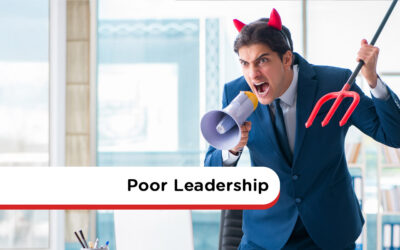
Poor Leadership: 10 Tell-Signs And Tips On How To Cope
Poor leadership can have detrimental effects on both individuals and organizations, leading to low morale, high turnover, and decreased productivity. Recognizing the signs of ineffective leadership is the first step toward addressing these issues.
The blog post outlines ten tell-tale signs of bad leadership, including poor communication, lack of recognition, micromanagement, and a “my way or the highway” mentality. These behaviors can create a toxic work environment and hinder team collaboration.
To mitigate the impact of poor leadership, the article offers practical tips such as fostering open communication, setting clear expectations, and promoting a culture of appreciation. By implementing these strategies, organizations can work towards creating a more positive and productive workplace.

Connected Workplaces: How To Connect Your Hybrid Workplace
In today’s evolving work landscape, hybrid models have become the norm, blending remote and in-office work. The blog post delves into the concept of connected workplaces, emphasizing the importance of integrating technology and fostering personal connections to ensure seamless collaboration and communication among distributed teams.
Connected work isn’t solely about digital tools; it’s about creating an environment where employees feel engaged and part of a cohesive team, regardless of their physical location. The article highlights the challenges remote workers face, such as feelings of isolation, and offers solutions to bridge these gaps through effective communication channels and inclusive practices.
To build a truly connected workplace, organizations must prioritize two-way communication, leverage digital platforms for collaboration, and nurture a culture that values every team member’s contribution. By doing so, businesses can enhance productivity, foster innovation, and ensure employee well-being in a hybrid work setting.