
Intranet Design Services
Choose from the self-build option with our support or work with one of our designers who will create a customized, fully-functioning intranet for your business, in 40 days or less, guaranteed!
The Challenge: Lack Of Time
You’ve defined your requirements and you know MyHub can deliver the outcomes you’re looking for. But do you lack the time and resources to customize your MyHub intranet site and get it launched on time?
The Solution: We Do It For You
By engaging with one of our designers, we’ll remove all of the complexity and risk by doing it all for you.
Planning For Success
Your MyHub intranet designer will lead the engagement process and ensure you’re updated on progress. The process is broken down into three key stages including:

Scope & Commercials
- Gathering requirements
- Defining launch objectives and timelines
- Developing a site plan including key pages, modules and content
- Agreeing the scope of works, pricing and terms.

Site Design
- Adding a company logo and changing site color options
- Designing and adding pages
- Adding content to pages including images, news articles, text, video and forms
- Adding folders and files to the Document Exchange
- Adding users to the site, Role Groups and Roles

Launch
- Handover and training
- Post-launch support
- Free site audit at any time
MyHub Designers, Delivering Great Outcomes

Intranet Design Articles

Amateur Sports Club Portal: Simplify Administration And Communication
Running an amateur sports club involves far more than just game day logistics. Behind every successful association is a team of dedicated volunteers juggling full-time jobs, families, and club responsibilities. Unfortunately, much of the club’s administration—like emails, meetings, and file sharing—is handled inefficiently, costing time and causing confusion. A sports club intranet portal offers a smarter way forward, centralizing communications, documents, and tools in one easy-to-use online platform.
A club portal functions as a private, cloud-based intranet that gives authorized members instant access to key features like news bulletins, calendars, document repositories, and knowledge hubs. It simplifies communication by streamlining announcements and updates, while document management ensures everyone can access the latest versions of forms, flyers, and codes of conduct without relying on a single admin. With integrated tools like Google Forms and Sheets, clubs can digitize and automate many of their most time-consuming tasks.
Beyond features, portals are surprisingly affordable and easy to set up—especially for nonprofits. Many cloud providers offer discounted rates, and the setup process is intuitive enough to get a club running within hours. With 24/7 mobile access, volunteers can contribute on their own time, whether that’s from the sidelines or during a coffee break. Overall, a club portal is not just a tool—it’s a game-changer for amateur sports clubs looking to improve efficiency and reclaim valuable time.
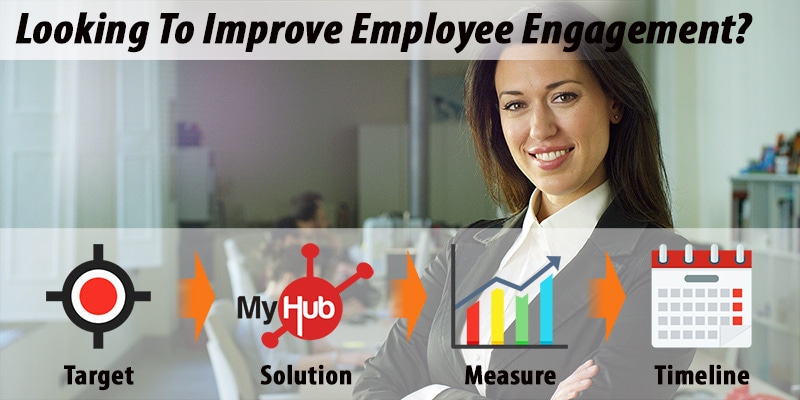
Employee Engagement Action Plan: It’s Time For Action Continued
Download a PDF version of employee action plan example here: employee-engagement-action-plan.pdf Area for Improvement Proposed Solutions Success Measures Ownership Timeline for Completion Implement an employee engagement strategy Appoint a contractor to develop a...

Cloud-Based Intranet vs. Company Network: Which is Right for Your Business?
When choosing between a cloud-based intranet and an internally hosted one, it’s important to consider your company’s specific needs, including cost, physical space, and IT resources. Cloud-based intranets require no on-site servers and usually come with lower upfront costs and built-in support, making them ideal for businesses looking for a quick and scalable solution. In contrast, in-house intranets offer more control but demand more maintenance, physical space, and dedicated staff.
Cloud intranets also offer greater accessibility and mobility for remote workers, ensuring employees can log in from anywhere and even during office outages. They often include better document search and organization features compared to typical cloud file storage services like Dropbox or Google Drive, allowing for smoother workflows and more efficient information retrieval.
Security and support are key benefits of cloud intranets as providers handle system protection and troubleshooting. While on-premises intranets give companies full control over deployment and customization, they require internal expertise and greater investment in long-term upkeep. Ultimately, cloud-based intranets offer a more practical solution for many modern businesses needing flexibility and ease of use.

Collaboration Skills: Does Your Team Have What It Takes?
Effective collaboration hinges on strong communication, shared purpose, and seamless coordination. Modern intranet tools—like MyHub—empower teams with real-time chat, forums, shared calendars, document libraries, and automated workflows, helping remove silos and streamline decision-making. These platforms centralize information, making it easy for teams to access and share updates, feedback, and project files.
Real-time collaboration features—instant messaging, activity walls, and forums—minimize email overload and speed up responses, fostering a more agile, connected work environment. Automated tools give visibility into tasks and deadlines, so everyone stays aligned without constant manual check-ins. Customizable groups and branded project spaces help structure communication around specific goals or teams.
Beyond efficiency, collaboration tools help build trust and engagement. Features like staff profiles, feedback, and ideation spaces support cross-functional bonding and innovation . Mobile access extends these capabilities to remote employees, ensuring inclusivity and consistent culture whether team members are in-office or on the go helping weave strong collaboration skills into everyday operations.

100 Useful Performance Review Example Phrases
Conducting effective performance reviews can feel daunting—especially when finding the right words to describe strengths, growth areas and future goals. This article begins by emphasising that reviews are not just about judgement, but about engagement, development and two-way communication. It highlights that preparation is crucial: balancing positive and honest feedback, setting specific and achievable goals, and avoiding vague statements.
The core of the article is a curated list of 100 example phrases, organised by common review categories: achievements, interpersonal skills, attendance and punctuality, communication skills, collaboration, productivity, time-management/administration, leadership and delegation, problem solving, creativity, vision, potential. For each category it offers both positive and developmental (i.e., areas for improvement) versions, making it simpler for managers to adapt wording for different performance levels.
Finally, the article underscores that the phrases themselves are only a starting point: they must be backed by concrete evidence, examples, and tailored to the individual. It also stresses the importance of a review being a two-way conversation, where employees feel listened to, and that tangible goals and follow-up actions should be set. With that approach, performance reviews can become tools for motivation, not just measurement.

13 Tips for Seamless Collaboration Between Remote and On-Site Teams
In a world where hybrid teams are increasingly the norm, balancing remote and on-site collaboration is more critical than ever. This article begins by outlining the hidden differences between remote and in-office setups—such as communication styles, access to resources, and spontaneous interactions—and emphasizes that misalignment in these areas can lead to misunderstandings, inefficiencies, and frustration.
To help unify dispersed teams, the post shares 13 practical strategies. Among the top recommendations: establish clear communication channels (dedicated chat, project tools), set shared goals and expectations, leverage technology (document sharing, integrations, co-editing), schedule regular check-ins, define roles precisely, and promote flexibility. It also highlights the importance of inclusive practices—ensuring remote employees aren’t left out of meetings or decisions—and suggests team building and recognition as tools to build connection.
The article closes by urging organizations to embed continuous feedback, maintain transparent documentation practices, and celebrate successes collectively. It argues that seamless collaboration doesn’t happen by chance—it’s built gradually through structure, empathy, and intentional practices that bring remote and on-site team members together as one functioning unit.